No products in the cart.
Full-stack development is one of the hottest tech careers today. Companies need people who can build both the front end (what users see) and the back end (what runs behind the scenes). But here’s the problem: knowing how to code isn’t enough anymore.
Recruiters want proof that you can build real projects, solve real problems, and work like a professional developer from day one. That’s exactly why an industry-backed full-stack certification matters so much right now.
Businesses run on software. Websites, apps, dashboards, payment systems—all of it needs developers who understand the full picture, not just one piece.
A full-stack developer typically works across:
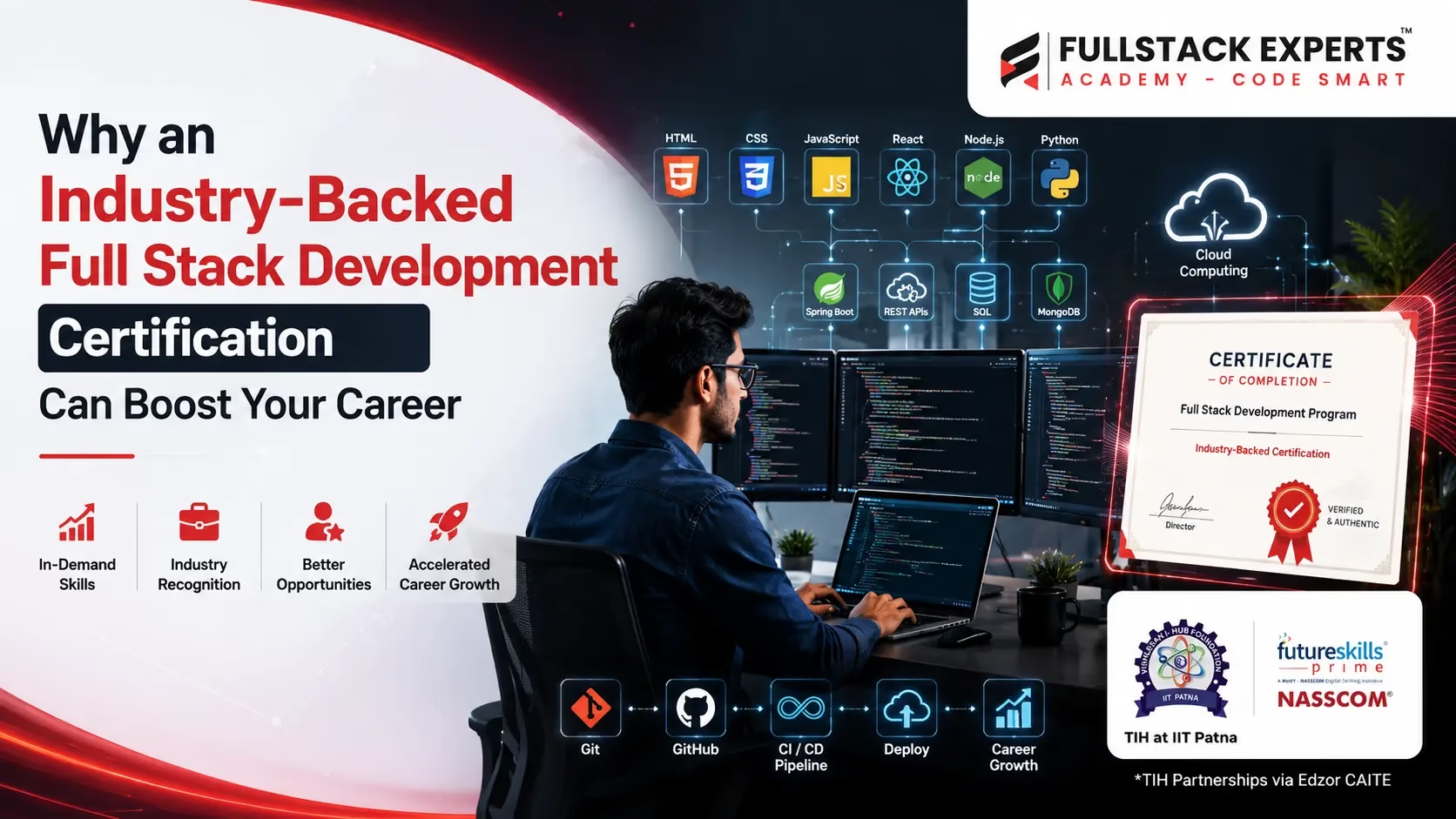
Frontend – HTML, CSS, JavaScript, React.js
Backend – Java, Spring Boot, Python, Node.js, REST APIs
Databases – SQL, MongoDB
Modern tools – Git, cloud platforms, AI-assisted coding tools

Talha Duncan
YouTube and free coding sites are great for learning the basics. But most self-taught learners hit the same wall: they understand the syntax, but they can’t build a working project on their own.
No real project experience for interviews
Difficulty debugging on their own
Little exposure to how professional teams actually work
No feedback or mentorship along the way
This is the gap a structured, mentor-led program is built to close.
A certificate alone won’t get you hired. Recruiters look deeper. During interviews, they usually want to know:
Can you build and deploy a complete app?
Can you explain your own code and decisions?
Can you fix bugs without hand-holding?
Have you worked with tools like Git and APIs?
A strong training program should prepare you to answer “yes” to every one of these.
Not all certifications are equal. Here’s what differentiates a strong one from a weak one.
Technology changes fast. A good program keeps its syllabus current and usually covers:
Java Full Stack
– Core & Advanced Java
– Spring Boot
– REST API development
Python Full Stack
– Python programming
– Backend frameworks
– Application development
MERN Stack
– MongoDB, Express.js, React.js, Node.js
Plus the extras that matter in 2026:
– Data Structures and Algorithms (DSA)
– Git and version control
– Generative AI tools for developers
2. A Strong Focus on DSA
Frameworks change. Problem-solving doesn’t go out of style. Companies still prioritize DSA in interviews because it helps them understand how you approach problems, think logically, and build solutions. Developers who are strong in DSA usually:
– Write faster, cleaner code
– Handle technical interviews with more confidence
– Build apps that perform well at scale
3. Exposure to Generative AI Tools
AI tools are now part of a developer’s daily toolkit—for writing code faster, debugging, and even generating documentation. But AI tools work best in the hands of someone who already understands the fundamentals. A good program teaches both solid programming basics and how to use AI to work smarter.
4. Real Industry Connections
Certifications backed by a recognized research or innovation body carry more weight than a generic “course completion” certificate. They signal that your training is linked to a bigger, credible ecosystem—not just a private academy.
How Full Stack Experts Academy Prepares You
At Full Stack Experts Academy, the training is built around exactly what hiring teams look for—not just theory.
Learners get hands-on practice across:
– Java Full Stack Development
– Python Full Stack Development
– MERN Stack Development
– Data Structures and Algorithms
– Generative AI for Developers
The program is built around four pillars:
Practice through real coding exercises helps turn concepts into skills through repetition and implementation.
Real-world projects—so you leave with a portfolio, not just notes.
Job-relevant skills—the curriculum tracks what companies are actually hiring for.
Career support—resume help, mock interviews, and portfolio guidance.
Eligible learners can also earn a professional certification from the Technology Innovation Hub (TIH) at IIT Patna through the TIH Patna–Edzor ecosystem. This adds a recognized, industry-linked credential to your resume—something a basic course certificate can’t offer.
A TIH IIT Patna certification shows recruiters three things:
You completed a structured, industry-aligned program.
You’ve been exposed to current, in-demand technologies.
You’re serious about continuous learning.
Of course, the certificate works best when it’s backed by real skills—solid coding ability, live projects, and the confidence to explain your work in an interview.
Skills That Actually Get You Hired
Technical skills:
– Java / Python / JavaScript
– Frontend and backend frameworks
– APIs and databases
– DSA
– Git and cloud basics
– Generative AI tools
Professional skills:
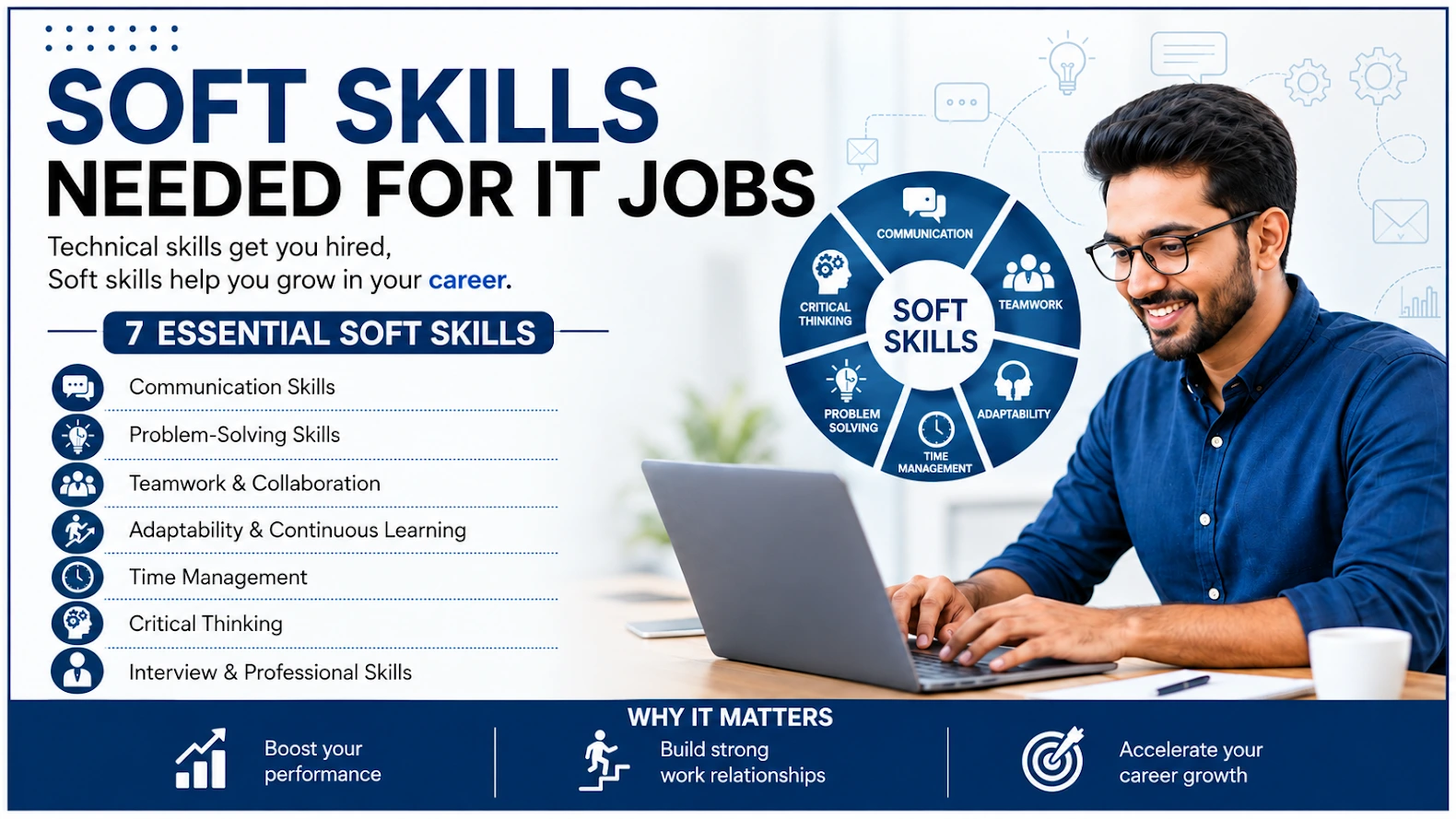
– Problem-solving
– Clear communication
– Teamwork
– Adaptability
Strong programs build both—not just the technical side.
Before enrolling anywhere, ask:
Is the curriculum current? Does it cover today’s languages, frameworks, and AI tools?
Are there real projects? Or just recorded lectures?
Is the certificate meaningful? Who backs it, and does it reflect real learning?
Is there career support? Interview prep, resume help, and guidance matter.
Picking the right program can shape your entire career path—so it’s worth spending time on this decision.
Getting hired as a full-stack developer takes more than finishing a course. It takes real coding practice, project experience, strong problem-solving, and staying current with new tools like generative AI.
An industry-backed full-stack certification—built around Java, Python, MERN, DSA, and AI—gives you a complete, job-ready skill set. That’s the foundation Full Stack Experts Academy is built to deliver.
Not by itself. Employers also check your coding skills, projects, problem-solving, and how you perform in interviews.
They prove you can actually apply what you've learned—and give you something concrete to show employers.
Learners in eligible programs who complete the required coursework and assessments can earn this certification through the TIH Patna–Edzor ecosystem, subject to program guidelines.
Yes. Many working professionals use this kind of program to upgrade their skills, learn new stacks, and move into better roles.
The program is suitable for students, fresh graduates, career changers, and working professionals who want to build industry-relevant full-stack development skills while earning an additional credential through the TIH Patna–Edzor ecosystem.
Yes. Eligible learners who earn the certification can include it on their resume, LinkedIn profile, and job applications to showcase their successful completion of the program through the TIH Patna–Edzor ecosystem.
Yes. Eligible learners are generally expected to complete hands-on projects, coursework, and assessments as part of the program requirements before qualifying for the certification.
A regular certificate confirms course completion, while the TIH Patna–Edzor ecosystem certification is associated with a structured, industry-oriented learning framework. It is intended to add credibility to your technical skills and project experience.
Eligible programs may include generative AI concepts and tools as part of the curriculum. The exact syllabus depends on the program offered by the training provider.
Full Stack Experts Academy offers hands-on MERN Stack and Python Full Stack training to help learners become job-ready developers.

Full Stack Experts Academy empowers you with Full Stack Development, DSA, and Generative AI skills. Build real-world projects and launch your tech career.
Beside JNTU Metro Station,Plot 1, Vasanth Nagar Main Rd, Hydernagar, Kukatpally, Hyderabad, Telangana 500085
Copyright © 2026 Full Stack Experts Academy