No products in the cart.
Full Stack Development has become one of the most popular and future-proof career paths in the tech industry. Whether you come from an IT background or a non-IT field, full stack development offers a clear, structured way to enter software development and secure high-growth roles.
This blog provides a step-by-step roadmap to help IT and Non-IT students understand what to learn, how to learn it, and how to become job-ready full stack developers.
Before jumping into full stack technologies, learners must build a strong programming foundation.
Programming fundamentals
Logic building and problem-solving
Basic data structures
Writing clean and readable code
For non-IT students, this step is crucial to gain confidence and remove the fear of coding.

Talha Duncan
Frontend development focuses on creating the user interface and experience of a website.
HTML – Structure of web pages
CSS – Styling and responsive design
JavaScript – Interactivity and dynamic content
Once the basics are clear, learners move on to modern frontend frameworks such as React to build fast and scalable applications.
Backend development handles the server, database, and application logic.
Node.js & Express (for MERN Stack)
Python & Django (for Python Full Stack)
REST APIs and authentication
Database management
Backend skills help learners understand how real-world applications function behind the scenes.
Every full stack developer must know how to manage data and collaborate using industry tools.
SQL or NoSQL databases
CRUD operations
Git and GitHub for version control
Project collaboration workflows
These skills are mandatory for professional software development roles.
Projects bridge the gap between learning and industry requirements.
Building complete web applications
Working on real-life use cases
Debugging and optimizing code
Deploying applications
Projects are especially important for non-IT learners to prove practical skills.
Modern development requires familiarity with industry-standard tools.
VS Code for development
GitHub for code hosting
API testing tools
Debugging and deployment tools
Using the right tools increases productivity and improves job readiness.
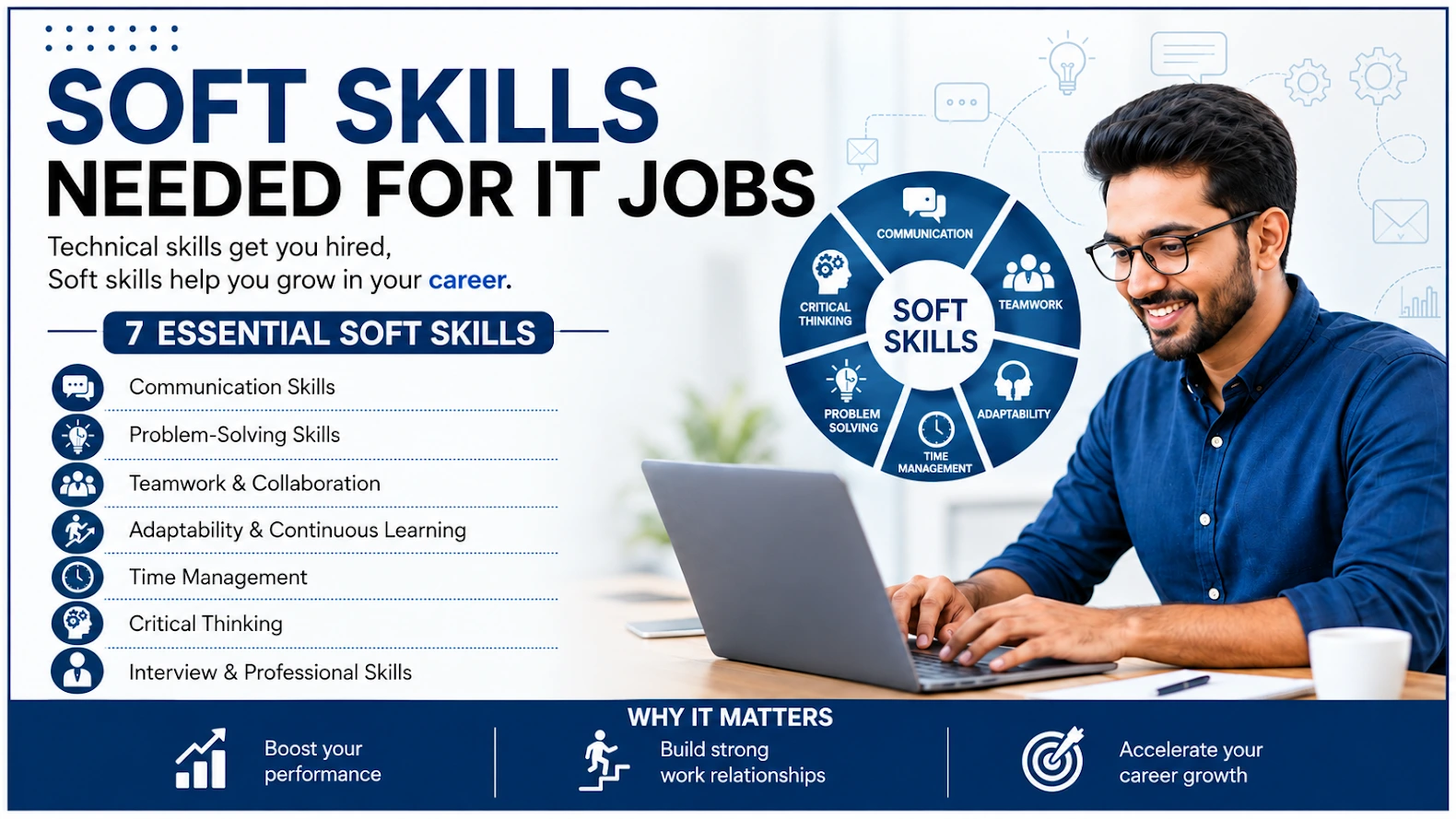
Technical skills alone are not enough to get hired.
Resume building
GitHub portfolio creation
Mock interviews
Coding tests and real-world problem solving
Structured placement support boosts confidence during interviews.
Depending on interest and career goals, learners can choose:
MERN Stack Development – JavaScript-based full stack
Python Full Stack Development – Python & Django-based full stack
Both paths offer excellent career opportunities and industry demand.
Non-IT students can successfully transition into tech by:
Starting from basics
Learning step-by-step
Practicing consistently
Working on real projects
With the right guidance and mentorship, background does not limit success.
At Full Stack Experts Academy, the learning roadmap is designed to be:
Beginner-friendly
Industry-aligned
Project-oriented
Placement-focused
Learners receive live mentorship, hands-on training, and career support to become confident full stack developers.
Full Stack Development is not just about learning multiple technologies—it’s about understanding how complete applications are built and delivered. With a structured roadmap, consistent practice, and real-world exposure, both IT and Non-IT students can build a successful career in full stack development.
Start with the basics, trust the process, and keep building—your tech career starts here.
Full Stack Experts Academy offers hands-on MERN Stack and Python Full Stack training to help learners become job-ready developers.

Full Stack Experts Academy empowers you with Full Stack Development, DSA, and Generative AI skills. Build real-world projects and launch your tech career.
Beside JNTU Metro Station,Plot 1, Vasanth Nagar Main Rd, Hydernagar, Kukatpally, Hyderabad, Telangana 500085
Copyright © 2026 Full Stack Experts Academy